
Protest rights
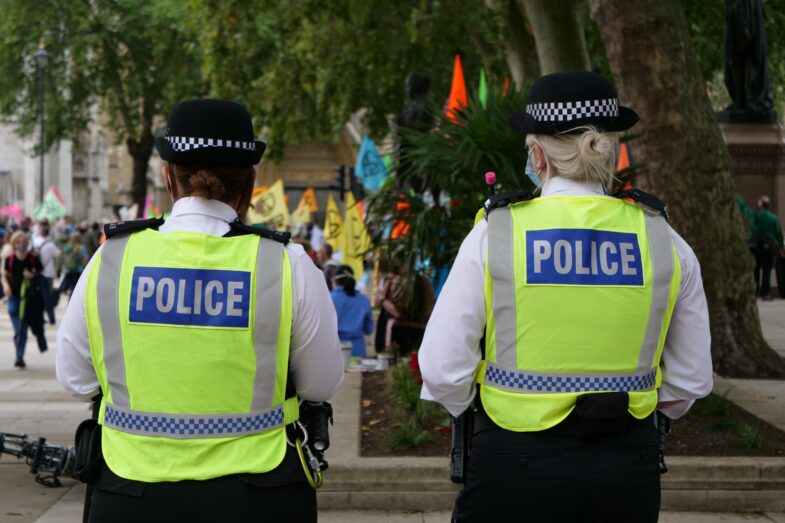
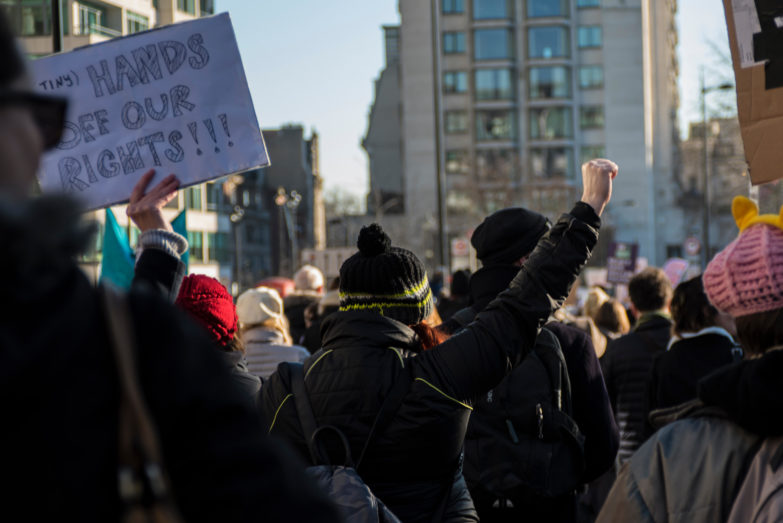
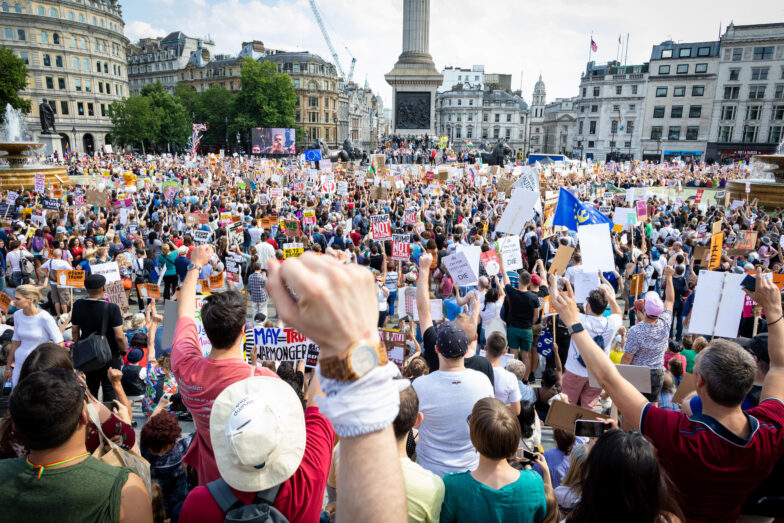
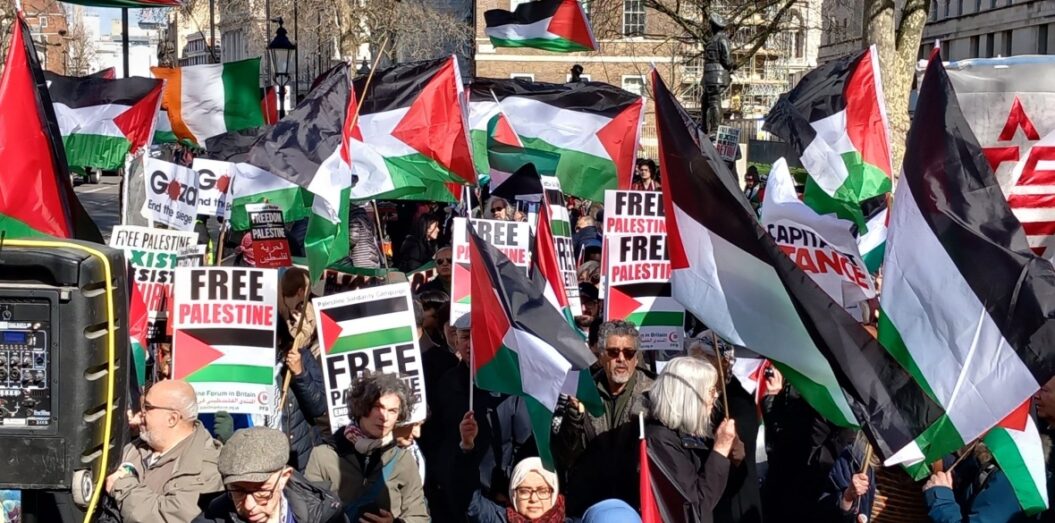
Protest is not a privilege – it’s our fundamental right. But the Government’s Crime and Policing Bill will give police powers to shut down protests and criminalise people for taking to the streets.
WHAT’S HAPPENING?
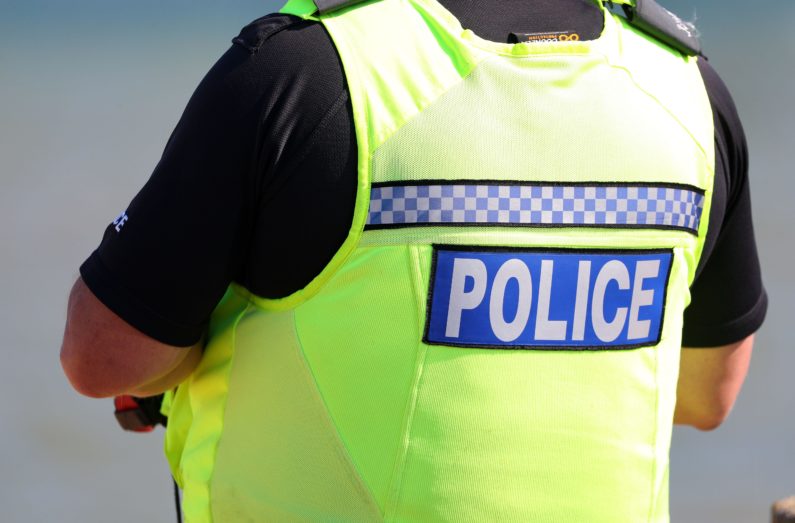
In recent years, successive governments have made it harder and riskier for people to protest. New restrictions, new offences and a raft of new penalties from arrest and imprisonment to electronic tagging and unlimited fines have given police immense powers to crack down on demonstrations.
Each new law criminalises acts that have never before been considered offences, and grants ever more extreme police powers to enforce it. Each new measure makes it more difficult and more dangerous for people to exercise their rights and express their views.
In 2026, the Government’s Crime and Policing Act came into force and is the latest law threatening everyone’s right to protest.
FACE COVERINGS
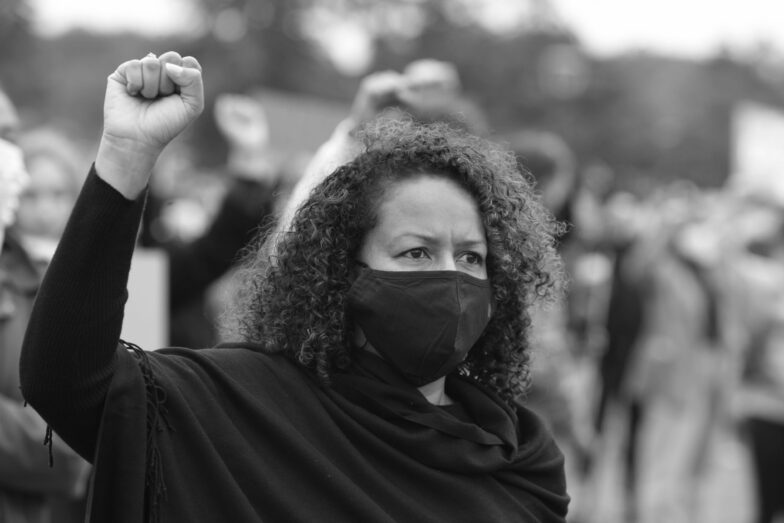
Police officers now have the ability to create ‘no mask zones’ around designated protests for up to 24 hours, with the power to arrest or fine anyone breaching this condition.
REPEAT PROTEST RESTRICTIONS
In 2023 and again in 2025, Liberty stopped the Government restricting protests that cause “more than minor” disruption. Now, the Government’s Crime and Policing Act has introduced a raft of new measures targeting the new offence of ‘repeat disruption’. These are kneejerk responses to momentary public opinion, but their effects will reach much further and last much longer.
Senior police officers now have to consider the “cumulative disruption” caused by previous protests in the area as a reason to ban protests, regardless of whether they were organised by the same people or focused on the same issues.
They can also decide what area is restricted, with no clear rules on how big or small an area can be. This means we could see borough or city-wide bans on protests, simply because a different demonstration took place previously.
WHY SHOULD WE BE CONCERNED?
The Crime and Policing Act builds on the ever-expanding web of protest restrictions we’ve seen from successive governments and makes it almost impossible for people to know how they can safely make their voices heard.
Banning face coverings has a disproportionate impact on marginalised groups who want to make their voices heard by protesting.
This will particularly impact disabled people and those who are clinically vulnerable, who may only feel safe attending a protest if they can wear a face covering to protect themselves from infection.
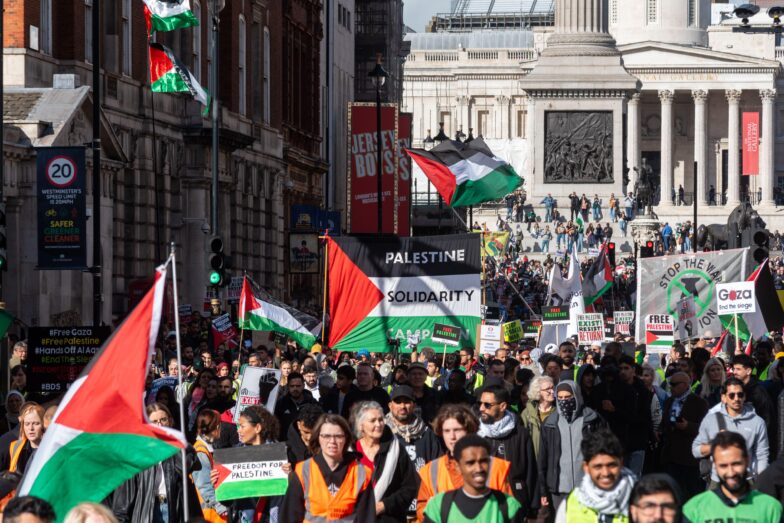
Those who wear face coverings for religious and cultural reasons, such as Muslim women wearing the niqab, or those wearing keffiyehs at Palestine solidarity protests, would also be criminalised by this law.
Banning repeat protests won’t just impact frequent large-scale marches; it could restrict emergency demonstrations on issues of grave importance, or the right to organise counter-protests.
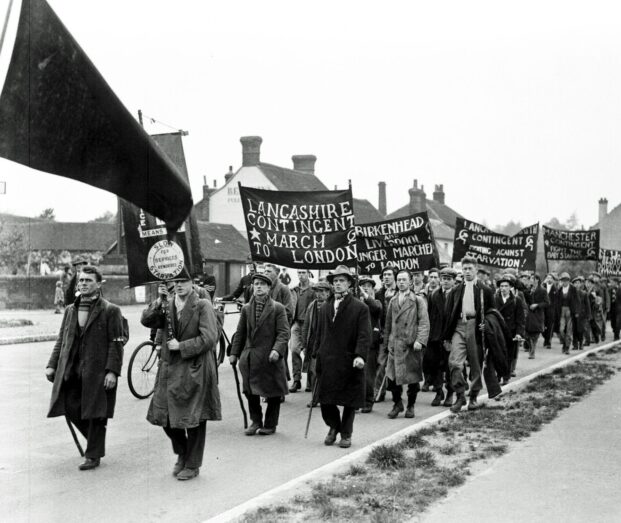
History has proven that when we come together, bit by bit we change things for the better. But restricting us to protesting on an issue once will effectively silence our voices, protect the powerful and prevent meaningful change.
Putting restrictions on what we wear and where we demonstrate will not only make it harder for people to make their voices heard – it strips our fundamental right to protest to the bone.
WHAT ARE WE CALLING FOR?
Protest makes our democracy more resilient, our government more responsive and our society more inclusive.
It has given us some of our most cherished rights and freedoms, from votes for women to weekends for workers, from LGBTQ+ rights to laws against racial discrimination.
These news laws have been introduced before we’ve seen the outcome of the Government’s own review into protest legislation. This is deeply concerning, and we’re calling on the Government to wait until the review is out before acting upon any further anti-protest legislation.
One day it may be our views that are ignored, our community that’s under threat. One day we may need to come together to make our voices heard. On that day, we too will have the right to protest: positively and powerfully.
But only if we defend that right. Right now.
I'm looking for advice on this
Did you know Liberty offers free human rights legal advice?
What are my rights on this?
Find out more about your rights and how the Human Rights Act protects them
Did you find this content useful?
Help us make our content even better by letting us know whether you found this page useful or not